Jazz
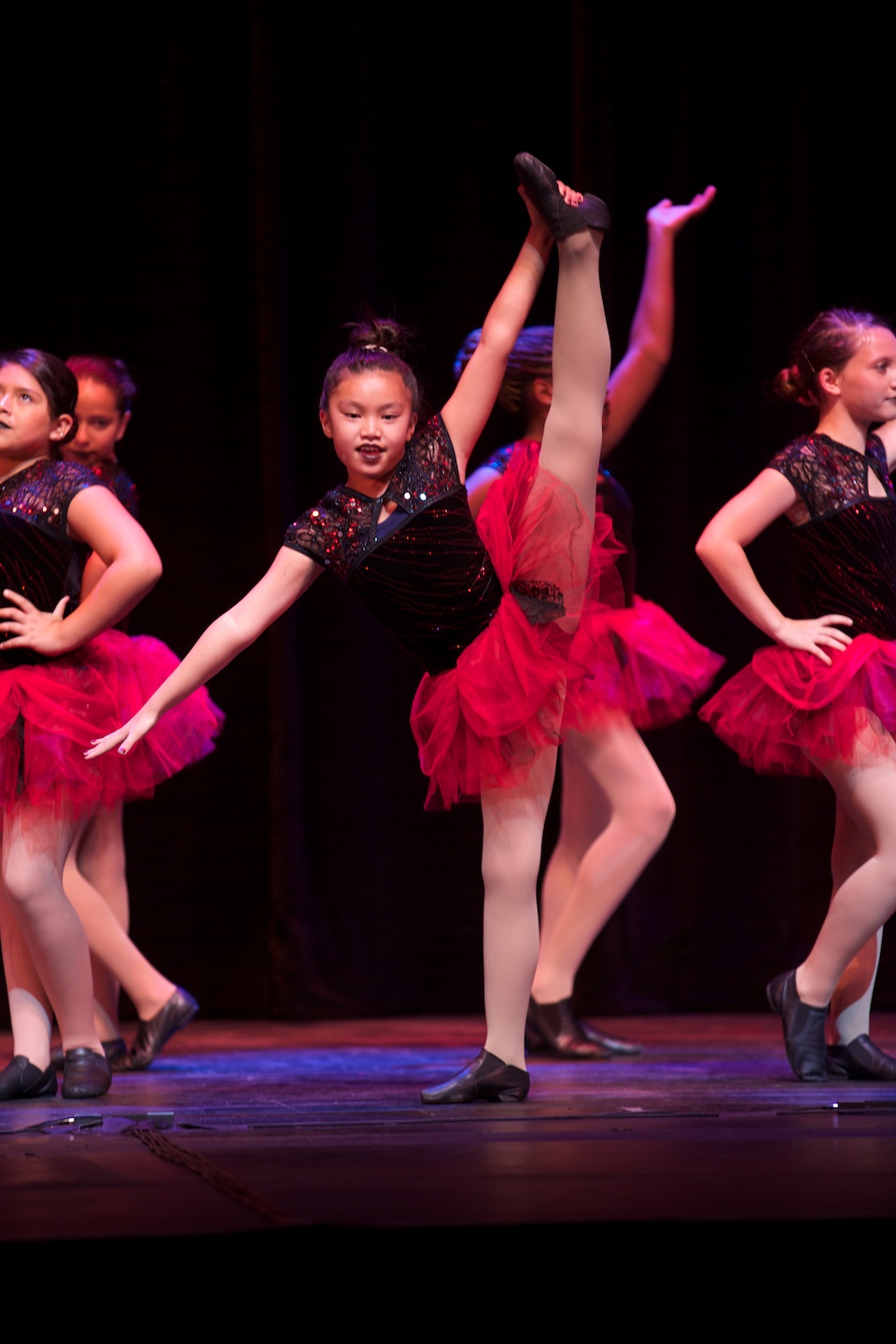
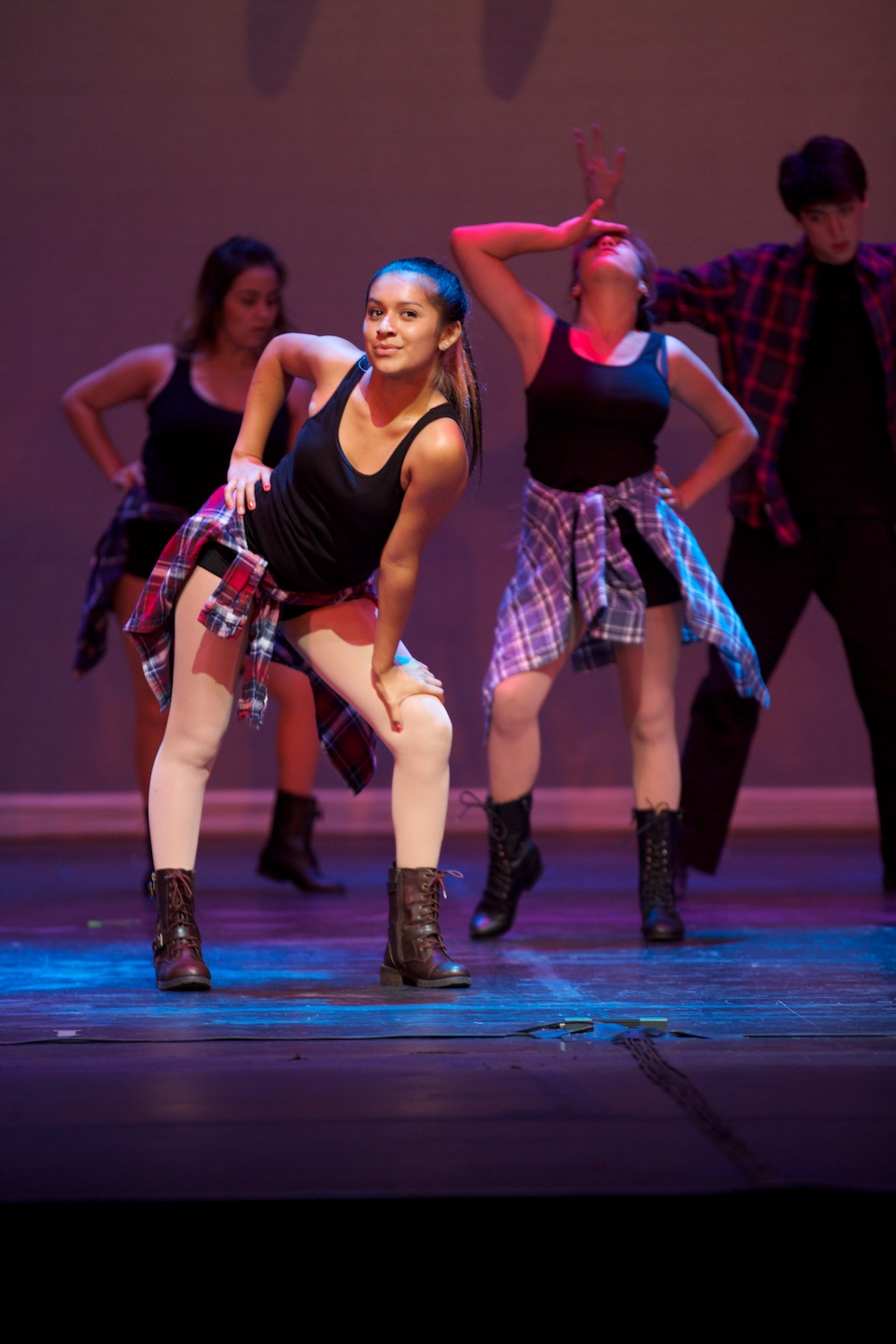
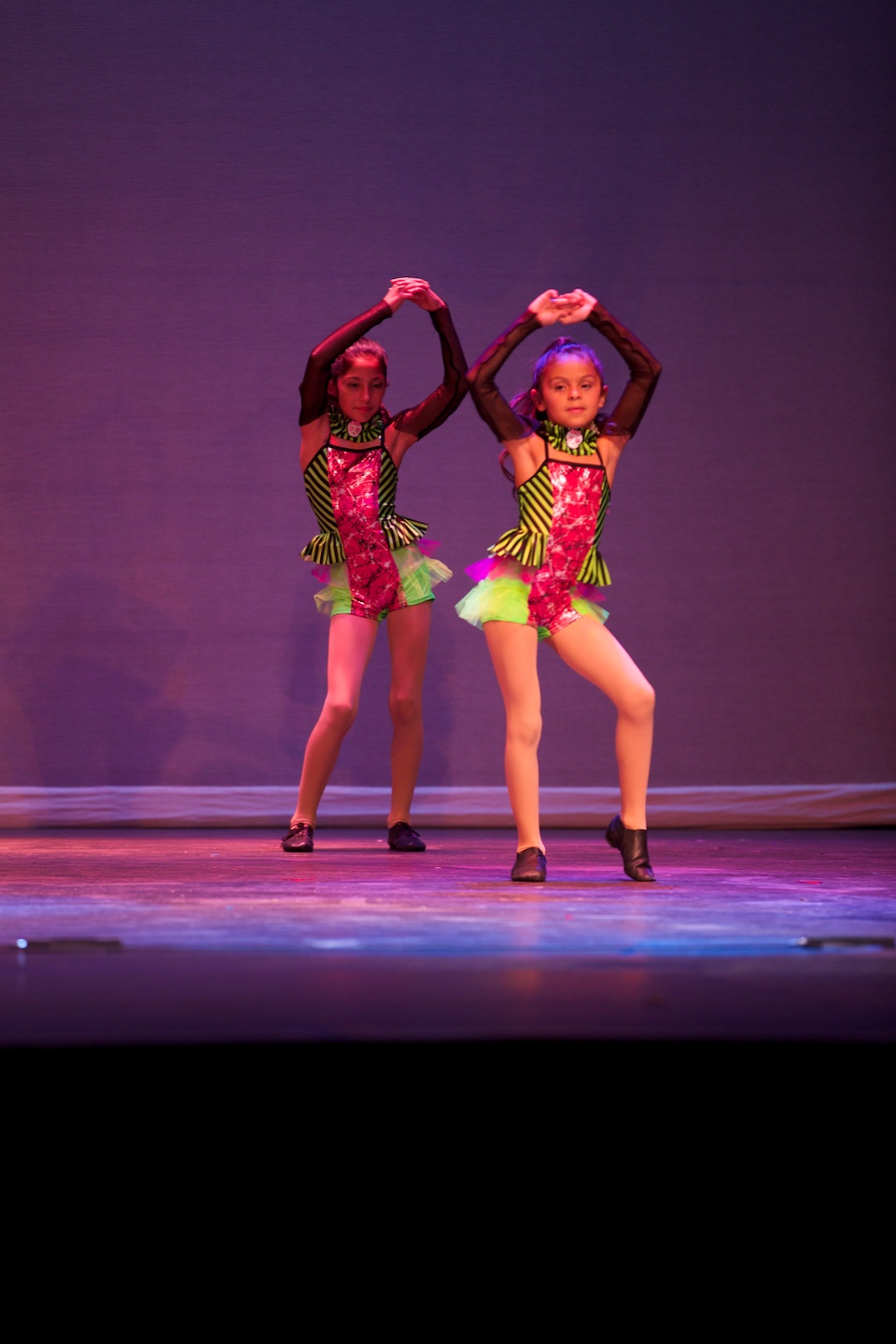
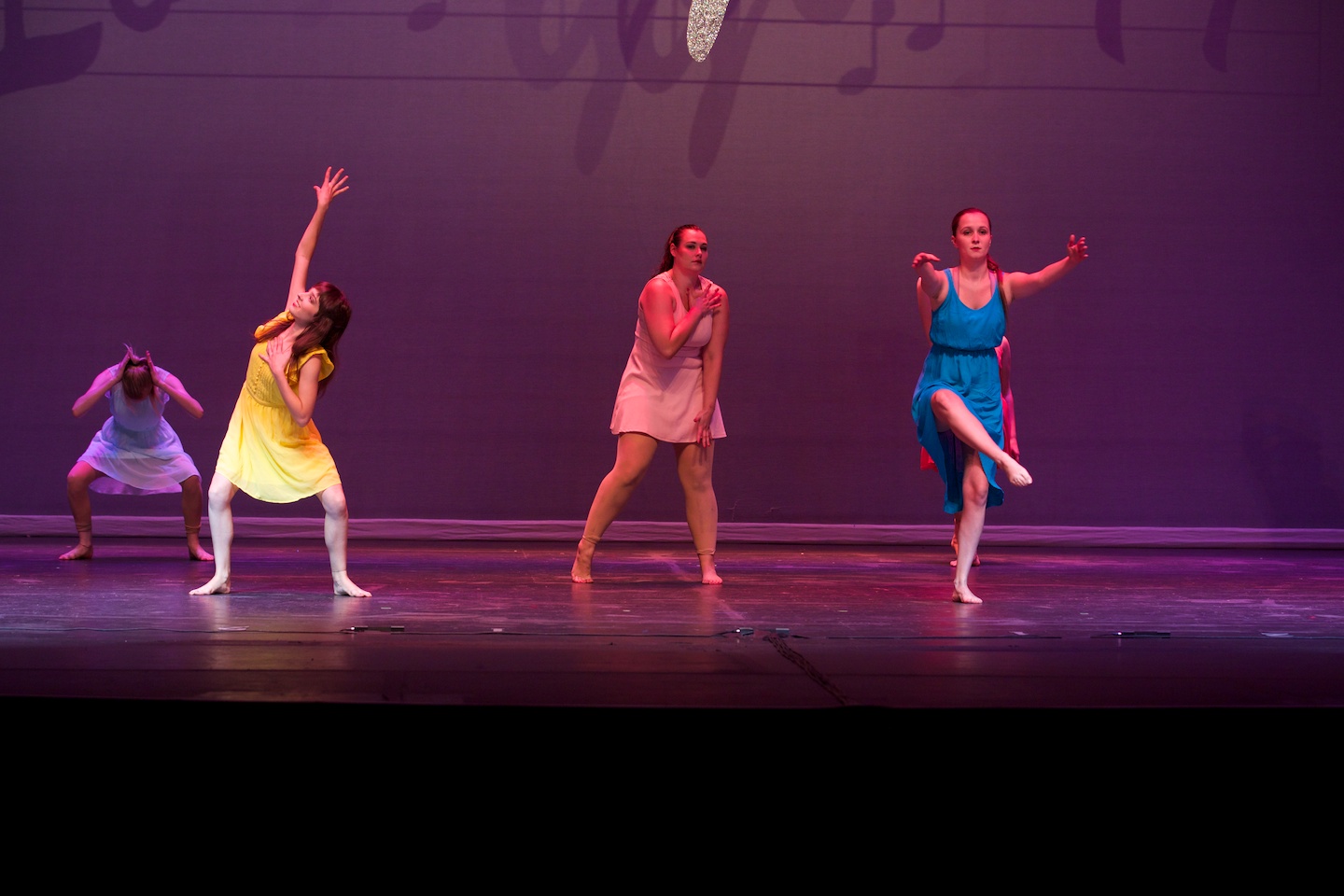
Jazz dance is a lively, expressive, and rhythmic style of dance that combines technique, style, and improvisation. It’s often described as the heart of musical theatre dance because of its energy, theatricality, and storytelling power.
Here’s a breakdown of what jazz dance involves:
💃 Origins
Jazz dance grew out of African and African American dance traditions, blending with European influences in the early 20th century.
It was heavily shaped by jazz music, which emphasizes rhythm, syncopation, and improvisation.
Over time, it evolved through Broadway, Hollywood musicals, and popular culture.
🎵 Characteristics
Sharp, clean movements mixed with fluid transitions.
Strong use of rhythm, isolations (moving one part of the body at a time), and dynamic contrast.
Often theatrical and expressive, designed to communicate mood or tell a story.
Can range from high-energy commercial jazz (seen in music videos) to Broadway jazz (stylized and character-driven).
🩰 Technique
Jazz dance borrows elements from ballet for control and line, but it’s freer and more grounded.
Typical elements include:
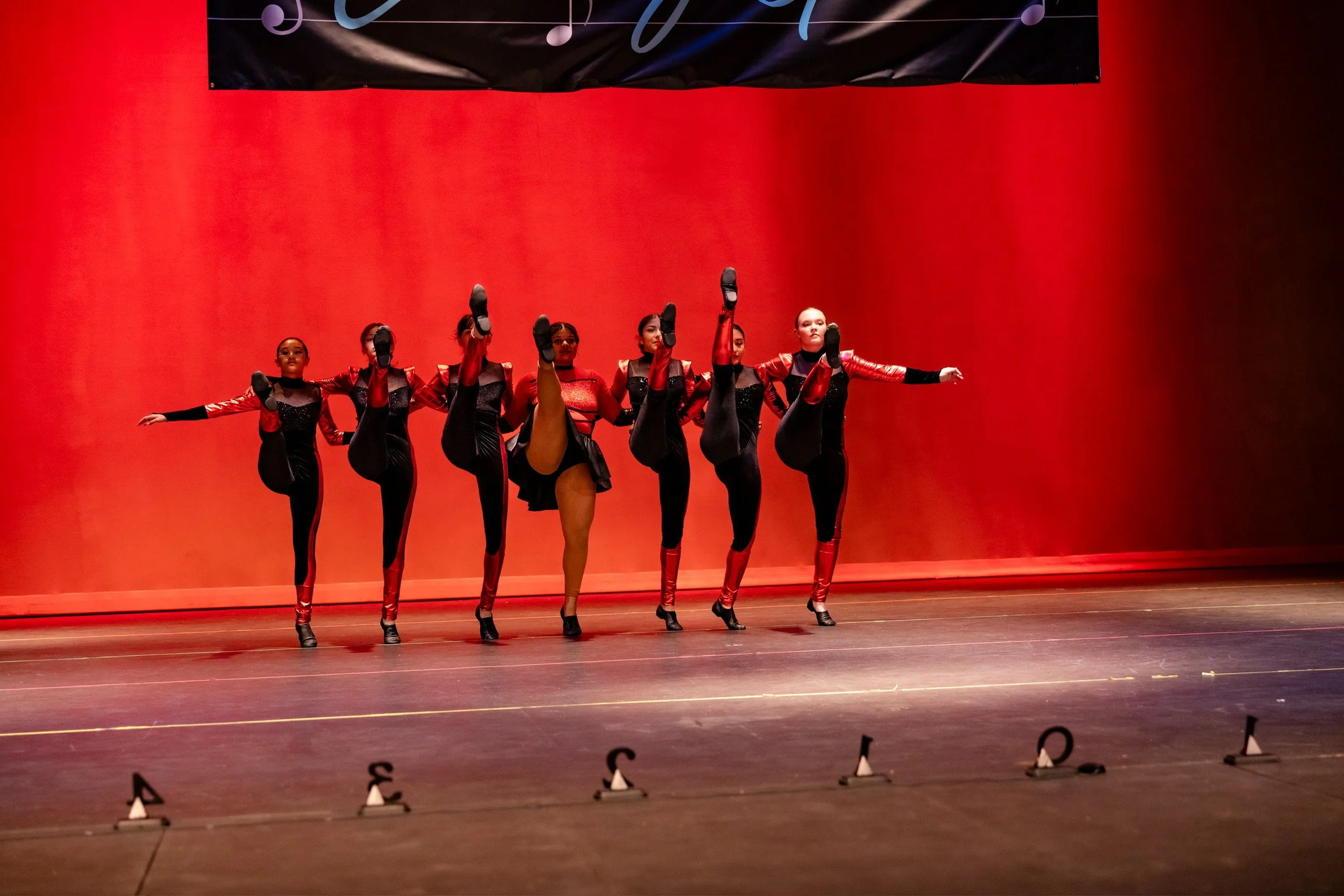
Kicks, leaps, and turns
Jazz walks and stylized runs
Body isolations (shoulders, hips, ribs, head)
Syncopated rhythms—moving off the beat or between beats
Improvisation, reflecting the influence of jazz music itself
🌟 Famous Jazz Dance Styles & Choreographers
Bob Fosse – Known for his sultry, angular style (e.g., Chicago, Cabaret).
Jack Cole – Considered the father of theatrical jazz dance.
Luigi – Developed a flowing, lyrical jazz technique after recovering from paralysis.
Gus Giordano and Matt Mattox – Pioneers of jazz technique for stage and studio training.
🎭 In Musical Theatre
Jazz dance is a cornerstone of musical theatre choreography. You’ll see it in shows like:
West Side Story (Jerome Robbins’ athletic style)
Chicago and Sweet Charity (Fosse’s stylized movement)
A Chorus Line, Hairspray, and The Prom (modern Broadway jazz)